What Is UGC and How Do Creators Get Paid? (2026)
What is UGC and how do creators get paid? UGC (user-generated content) is video, photo, or review content made by everyday creators for brands — not posted on your own account, but handed to the brand to use in its ads. Creators get paid a flat fee per video, usually $100–$500 for beginners, and experienced creators earn $5,000–$10,000+ per month — all without needing followers or an existing platform.
What Is UGC? The Simple Definition
UGC stands for user-generated content. In marketing, it means authentic-looking content — usually short videos, product unboxings, testimonials, or lifestyle photos — created by real people instead of professional ad agencies. Brands buy this content and run it as ads on TikTok, Instagram, YouTube, and their own websites.
That 30-second ad of a real person raving about a skincare serum in their bathroom? Probably UGC. A brand paid someone $200–$500 to film it. That someone was a UGC creator — and it could be you.
UGC vs Influencer Content: What’s the Difference?
People confuse UGC with influencer marketing all the time. They are different jobs:
- UGC creators sell content, not access to an audience. Brands buy the video file itself and run it on the brand’s own channels. You do not need followers.
- Influencers sell audience reach. Brands pay them to post on their own accounts because of their follower count. No followers, no deal.
- UGC pay is per asset, not per post. You are paid like a freelancer: a fee for each video or photo you deliver.
- UGC content is licensed, not owned by you. The contract gives the brand usage rights for a set period (often 30–90 days of paid ad use), and you may be paid extra to extend them.
How UGC Creators Get Paid
There are five main ways UGC creators earn money:
1. Flat Fee Per Video (The Standard)
A brand pays a fixed amount for each video you deliver. Beginner rates run $100–$250 per video, mid-level creators charge $250–$500, and established creators charge $500–$1,500+. One to two revision rounds are usually included.
2. Usage Rights and Whitelisting Fees
These are the extra fees brands pay to use your content longer or more broadly. A typical deal includes 30 days of paid ad use; extending to 6 months — or running “whitelisted” ads through your account — costs extra, often 30–50% of the base fee per month. This is where experienced creators quietly double their income.
3. Monthly Retainers
Brands that trust you hire you for a set number of videos per month — often 4–8 at a slightly discounted rate. Retainers turn one-off gigs into predictable monthly income.
4. Gifted Products Plus Pay
Brands always send the product free so you can film it. Gifted-only offers (no cash) are fine as portfolio practice in your first weeks, but never as a strategy. Real deals are product + cash.
5. Performance Bonuses and Affiliate Links
Some brands pay a bonus when your ad performs well, or give you an affiliate link paying 10–30% commission per sale. These stack on top of your base fee — they never replace it.

How Much Can UGC Creators Realistically Earn?
- Beginner (0–3 months): $100–$250 per video. Landing 3–4 videos a month means $400–$1,000/month, and many beginners hit their first $500 within 60 days.
- Intermediate (3–12 months): $250–$500 per video, plus usage fees. With one or two retainers, $2,000–$5,000/month is realistic.
- Experienced (1+ year): $500–$1,500+ per video. Full-time creators with retainers and usage renewals earn $5,000–$10,000+/month.
- Premium niches pay more: tech, software demos, finance, and skincare pay 30–50% above lifestyle niches because fewer creators serve them.
How to Become a UGC Creator in 6 Steps
Step 1: Pick a Niche You Can Film at Home
Start with products you already own: skincare, kitchen tools, phone accessories, fitness gear, or pet products. Brands want creators who look like natural customers — you do not need expertise.
Step 2: Build a Portfolio of 3–5 Sample Videos
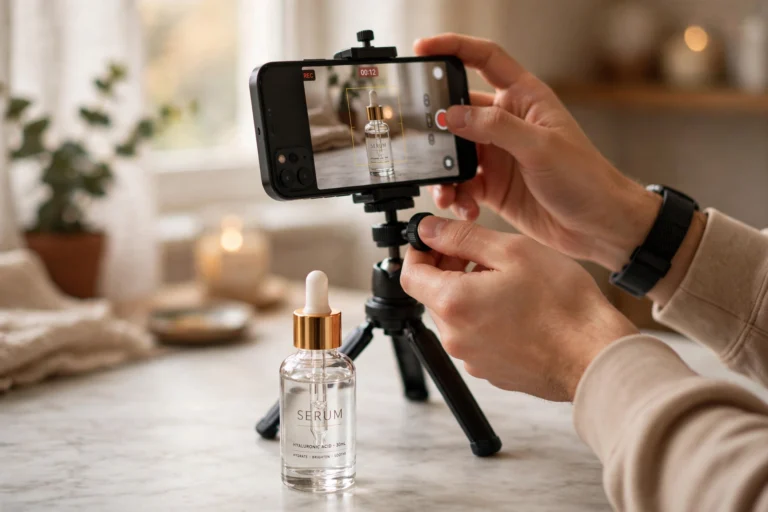
Film short, authentic-feeling videos with products you own: an unboxing, a “3 reasons I love this” review, a before/after, and a day-in-my-life clip featuring the product. Keep them 20–45 seconds, film in natural light, and edit lightly on your phone. This portfolio is your resume — no one will ask for your follower count.
Step 3: Set Up a Creator Profile and Rate Card
Create a simple one-page portfolio — a Notion page or free Carrd site — with your videos, a short bio, your niche, and your rates. Join creator marketplaces like Billo, JoinBrands, and Collabstr to browse open brand campaigns and apply directly.
Step 4: Start Pitching Brands Daily
Message small and mid-size brands in your niche every day — aim for 10–20 pitches. Your pitch should be short, specific, and link your portfolio:
Hi [Name] — I’m a UGC creator in the [niche] space. I loved your [product name] and filmed a sample concept for it: [portfolio link]. I create 20–45 second ad-ready videos for $150 each, with 1 revision included and 30 days of paid ad usage. Would you like me to make one for you this week?
Step 5: Deliver Like a Professional
When a brand says yes, confirm the deliverables in writing before filming: video count, length, revision rounds, deadline, and usage terms. Hit the deadline and communicate clearly — one reliable first deal often turns into a retainer.
Step 6: Raise Rates and Collect Testimonials
After 5–10 paid deals, raise your rates by 20–30% and ask every happy client for a one-line testimonial. This single step separates creators stuck at $150/video from those who climb to $500+.
Where to Find UGC Jobs
- Creator marketplaces: Platforms like Billo, JoinBrands, Collabstr, and Trend let you apply to open brand campaigns in minutes. Competition is real, but so is the volume of work.
- Direct outreach: Pitching brands directly on Instagram, TikTok, and email has the highest success rate per message because most creators never try it. Target brands with 10k–500k followers — big enough to have a budget, small enough to reply.
- Referrals: Every happy client knows other brands. After your first 5 clients, referrals become your cheapest source of new work.
New to online work in general? Our guide to 14 Online Jobs for Teens (No Experience Needed) covers beginner-friendly earning paths you can stack alongside UGC.

Common UGC Scams to Avoid
Because UGC is popular, scammers target new creators. Memorize these rules:
- Never pay to get a deal. Any brand or “agency” asking for an application, training, or deposit fee is a scam. Real brands pay you.
- Never send bank logins or ID over chat. Legit payments go through invoicing tools or bank transfer after a contract. No brand needs your passwords.
- Get usage terms in writing. If a contract does not say how long the brand can run your ad, they can use it forever for free.
- Distrust far-above-market offers. “$2,000 for one 15-second video, no portfolio needed” is a scam designed to harvest your personal details.
- Set payment terms before you film. Agree on invoicing or half upfront in writing — once you have delivered videos with no arrangement, you have zero leverage.
FAQ
Do you need followers to do UGC?
No. Brands buy the content, not your audience, so you can start with zero followers. What you need instead is a small portfolio of 3–5 sample videos showing you can film naturally and sell a product on camera.
How long does it take to get your first UGC client?
Most consistent beginners land their first paid deal within 2–6 weeks of daily pitching. Creators who pitch 10–20 brands per day usually close their first deal in the first month — it is a volume game early on.
What equipment do you need for UGC?
A modern smartphone, natural window light, and a quiet room. Brands want authentic-looking content, not studio production. A $15–$30 tripod and ring light can come later — neither is required for your first deals.
How much should a beginner charge for UGC?
Start at $100–$150 per video for your first 3–5 paid deals, then raise to $150–$250 once you have testimonials. Include 1–2 revision rounds and 30 days of paid ad usage in your base rate, and charge extra for extended usage or whitelisting.
Is UGC saturated in 2026?
Basic lifestyle UGC is competitive, but demand keeps growing because brands need a constant stream of fresh ad creative. Creators who pick an underserved niche — tech, finance, software, or non-English-language markets — still find strong demand with far less competition.
Conclusion
What is UGC and how do creators get paid? It is simple: UGC creators film authentic product videos for brands and get paid a flat fee per video — $100–$500 for beginners, scaling to five figures a month for experienced creators with retainers and usage fees. No followers needed, no special equipment, and you can land your first paid deal within a month of consistent pitching.
Your move this week: film three sample videos with products you already own, put them on a one-page portfolio, and send your first 10 pitches. The creators earning real money from UGC are not the most talented — they are the ones who started pitching and did not stop. For more ideas, read Side Hustles for Stay-at-Home Moms to see how content skills stack with other flexible income streams.