How to Make Printables to Sell (2026)
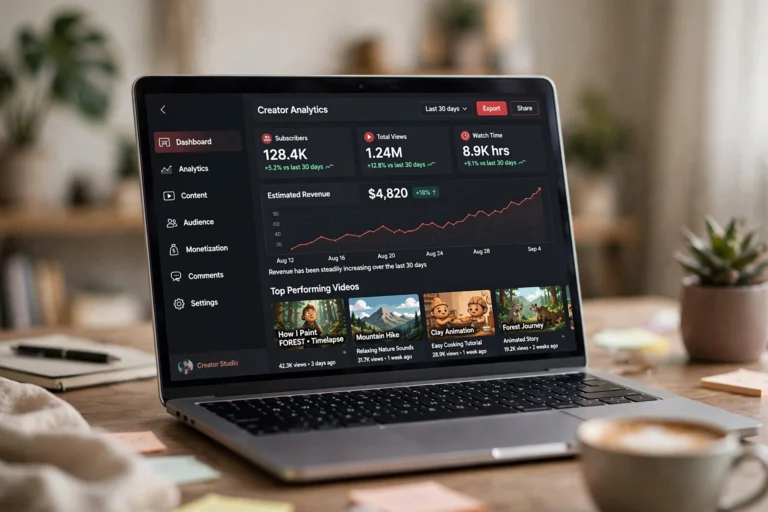
How to make printables to sell is one of the simplest digital businesses you can start: design a digital file once — a planner, a checklist, wall art — and sell it over and over with no inventory, no shipping, and no cost per sale. A basic planner made in a free design tool can sell for $3–$10 per download for years. This guide walks you through the bestselling niches, the exact design workflow, where to sell, and how to price your first printable.
Printables work so well for beginners because the hard part — design skills — is far easier than it looks. Templates, free fonts, and drag-and-drop tools mean you can create a sellable product this weekend even if you have never designed anything before.
What Are Printables and Why They Sell So Well
A printable is any digital file a customer buys and prints themselves (or uses on a tablet): planners, calendars, wall art, worksheets, stickers, checklists, invitations. The buyer pays once, downloads the file, and you never touch a printer. It is a volume game — sellers who earn real money typically have 30–100+ listings, each making a few sales a month. Your catalog is the business.
The Best Printables to Sell: Niches That Actually Make Money
Not all printables sell equally. The winners solve a specific problem or decorate a specific space. Start in one lane, not five — depth beats breadth when you are new.
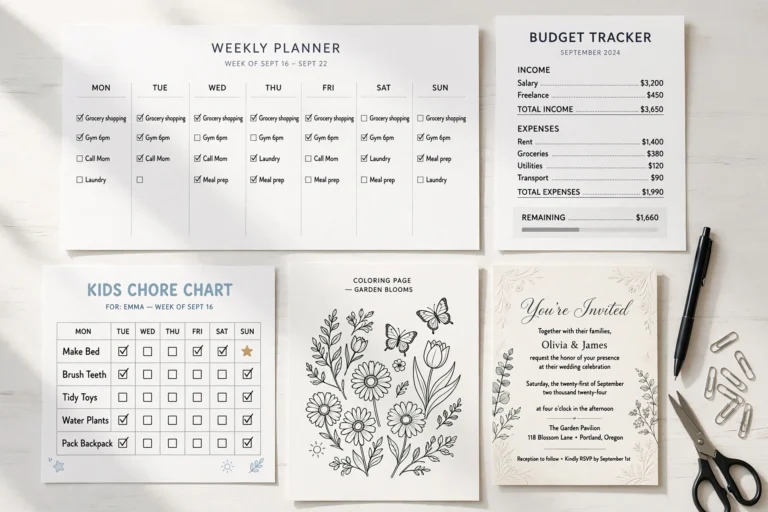
Top-performing printable niches in 2026
- Planners and organizers: weekly planners, meal planners, cleaning schedules, habit trackers. The biggest category on Etsy — and still growing.
- Budget and finance: budget trackers, savings challenges, debt payoff planners, bill organizers. Buyers in this niche are highly motivated.
- Wall art: nursery prints, motivational quotes, kitchen art, boho botanical prints. Sells in sets of 3–6 for higher order values.
- Party and wedding: invitations, bachelorette games, baby shower decor, wedding signage. High intent, higher prices, seasonal spikes.
- Kids and education: chore charts, reward charts, flashcards, coloring pages, homeschool worksheets. Parents buy repeatedly.
- Business tools: invoice templates, social media planners, content calendars, client trackers. Small audience, premium prices.
- Stickers and labels: planner stickers, pantry labels, classroom labels. Low price point but huge volume potential.
How to pick your niche: combine something you understand (teaching, fitness, weddings, budgeting) with something you can design cleanly. Browse the niche on Etsy, note what the top 20 listings have in common, then make yours clearly better — more pages, prettier design, or a unique angle they missed.
How to Make Printables to Sell: Step-by-Step
Here is the exact workflow, from blank page to sellable file. Your first simple printable takes 2–4 hours.
Step 1: Pick one product and research it
Choose one niche and one product — for example, a “weekly meal planner bundle” rather than a vague “planner.” Search it on Etsy and Google. Open the top 10 results and write down: page count, file formats offered, price, and what reviewers praise or complain about. Reviews are free market research — complaints tell you exactly what to do better.
Step 2: Design it in Canva (free)
Canva’s free plan is genuinely enough to make printables to sell. Start from a blank custom-size document (US Letter is the standard for US buyers; A4 for international) or adapt a template until it is clearly your own design.
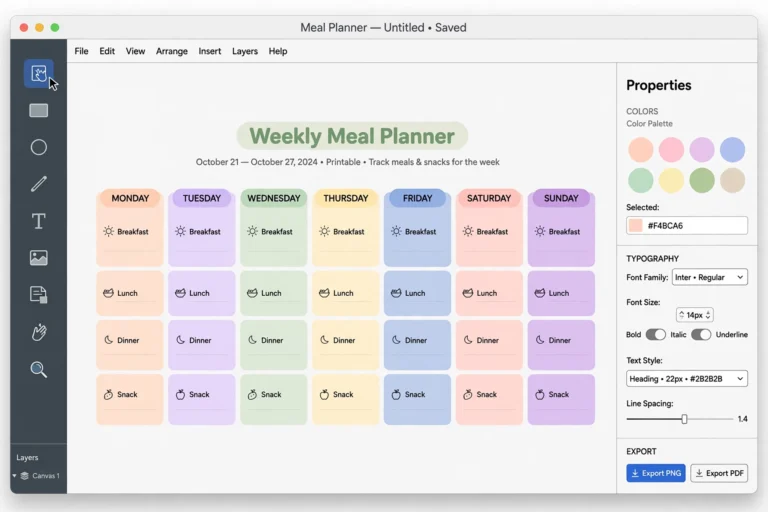
Design rules that separate sellers from hobbyists:
- Keep it clean and readable. Two fonts maximum, generous white space, consistent colors. Buyers print these — cluttered designs fail on paper.
- Test-print it. Print every page on a home printer before listing. Check margins, text size, and how colors look on real paper — screens lie.
- Make it editable where it matters. Planners sell better when buyers can type into them. Export fillable PDFs when the product calls for it.
- Bundle pages. A 1-page planner sells for $2; an 8-page bundle sells for $7. More perceived value, barely more work.
Step 3: Export in the right formats
Export as high-quality PDF (print) — that is the core deliverable. Add PNG or JPG versions for wall art or stickers, since buyers print those at photo labs or use cutting machines. Include multiple paper sizes (US Letter + A4 covers most buyers) and name files clearly: meal-planner-weekly-a4.pdf, not final_FINAL2.pdf.
Step 4: Create mockups that sell the product
Your product photos are your packaging. Show the printable in use: a planner page on a styled desk, wall art in a frame, a checklist on a clipboard. Photograph your own test prints or use a mockup generator — either way, the first image must make the value obvious in two seconds.
Step 5: Write the listing (title, tags, description)
Treat your listing like a mini sales page. Put the main keyword first in the title (“Weekly Meal Planner Printable Bundle, 8 Pages, US Letter + A4”). In the description, state exactly what is included (page count, sizes, formats), how it is delivered (instant download), and how to print it. Use all 13 Etsy tags with specific phrases buyers search (“meal planner printable,” “weekly menu planner,” “grocery list template”).
Where to Sell Your Printables
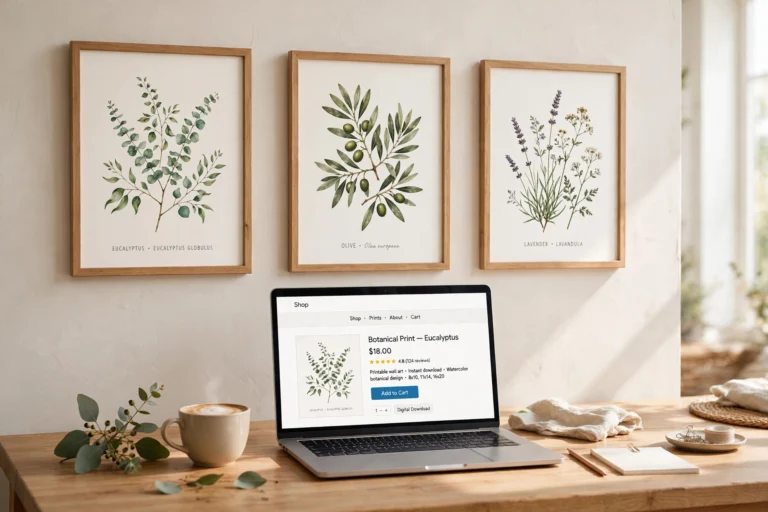
Etsy is the default starting point: built-in buyer traffic searching for exactly this, $0.20 per listing, and a 6.5% transaction fee plus payment processing. Most printable sellers start here, and many never leave.
Other options worth knowing:
- Your own website: full margin and full control, but you bring the traffic yourself. Worth it once you have an audience (Pinterest, email list).
- Gumroad / Payhip: simple digital storefronts with instant delivery — good for bundles and business templates sold to other creators.
- Creative Market: higher prices and a design-savvy audience, but stricter quality bar and application review.
Start on Etsy for the traffic, build your catalog to 20+ listings, then add your own site as a second channel.
Pricing Your Printables (Without Underselling Yourself)
Pricing paralysis kills more printable shops than competition does. Use this framework:
- Single-page printables: $2–$4 (checklists, trackers, single art prints).
- Multi-page bundles (5–15 pages): $5–$10 — the sweet spot. Best value perception per hour of your work.
- Large bundles and niche tools (20+ pages): $10–$25 (wedding bundles, business template packs, full planner systems).
- Never race to the bottom. A $1.50 listing attracts bargain hunters who leave picky reviews. Price for quality buyers.
Check the top 10 competitors in your niche and price within their range — slightly above if your bundle has more pages, slightly below for your first listings to gain traction.
How to Get Traffic: Pinterest Is Your Free Marketing Engine
Printable sellers and Pinterest are a natural match: millions of users search Pinterest specifically for planners, organization, and decor ideas. Create 2–3 pins per product linking to your Etsy listing. Use vertical images (2:3 ratio), a text overlay stating the benefit (“Weekly Meal Planner — Plan Dinners in 10 Minutes”), and keywords in the pin title and description. Post 3–5 pins a day — consistency beats bursts.
Printables pair well with other low-cost side hustles if you want multiple income streams — see our Side Hustles for Stay-at-Home Moms, where digital products rank among the most flexible options.
5 Mistakes That Kill New Printable Shops
- Copying bestsellers. “Inspired by” that is 95% identical is a copyright complaint waiting to happen — and Etsy sides with the original. Make it original or do not list it.
- Listing 3 products and waiting. Three listings get almost no traffic. Commit to 20–30 listings before judging the business.
- Skipping the test print. Cropped margins and unreadable fonts earn 1-star reviews that haunt the listing forever.
- Vague titles and tags. “Cute planner” is invisible in search. “Weekly planner printable, undated, US Letter” gets found.
- Ignoring seasonality. Calendars and planners spike in December–January; wedding printables peak in spring; teacher printables in August. List 2–3 months before the season.
FAQ
Do I need design experience to make printables to sell?
No. Canva’s free templates plus clean, simple design choices are enough for bestselling-style products. What matters more is solving a real problem (a better budget tracker, a prettier chore chart) than artistic talent. Your design sense improves with every product.
How much does it cost to start selling printables?
You can start for under $10. Canva is free, and Etsy’s $0.20 listing fee means 20 listings cost about $4. The real investment is your time: expect 2–4 hours per quality product including design, mockups, and listing copy.
How much can beginners realistically earn?
With 20–30 solid listings, beginners commonly earn $50–$300/month within 3–6 months. Sellers with 100+ listings in good niches report $1,000+/month. It is a slow-build asset business — the catalog compounds, but the first months are quiet.
Can I sell the same printable on multiple platforms?
Yes — your designs are yours. Many sellers list on Etsy and their own website simultaneously. Just keep prices consistent so buyers do not feel cheated, and track which channel converts best.
Do I need a business license to sell printables?
Requirements vary by location. In most places you can start as a sole proprietor with no special license, but check your local rules once sales become regular.
Conclusion
How to make printables to sell comes down to a repeatable loop: pick one niche, research what buyers complain about, design a clean original product, test-print it, list it with keyword-rich copy, and repeat until your catalog reaches 20–30 listings. No single printable makes you rich — the catalog does. Start this week: design one 5-page bundle, test-print it, and list it on Etsy.