How to Make Money Using WhatsApp: A Realistic Beginner Guide (2026)
How to make money using WhatsApp is a fair question with an honest answer: WhatsApp itself does not pay you anything — it is a messaging app, not an income platform. But as a free sales and communication channel with over two billion users, it is a genuinely useful tool for selling products, offering services, and running a small business. This guide shows you the realistic methods that actually work, what they require, and what to expect — no hype, no promises of easy money.
Everything here assumes you are starting from zero: no audience, no business, just a phone. Each method includes what you need, how long it takes to set up, and an honest note on earnings potential.
How to Make Money Using WhatsApp: Set Up WhatsApp Business First
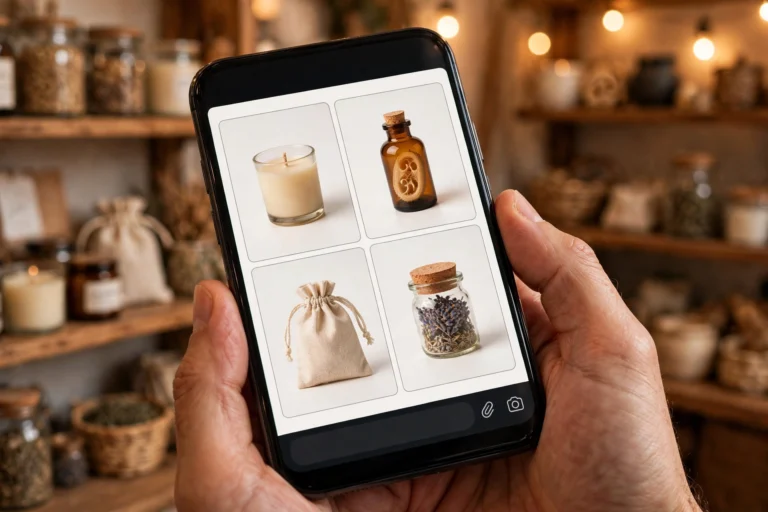
Before anything else, install WhatsApp Business (free, separate app) instead of using your personal WhatsApp. It gives you a business profile with your hours, location, and website; product catalogs customers can browse inside the chat; quick replies and greeting messages for common questions; and labels to organize customers. Set it up properly — a complete profile with a clear description and catalog photos looks legitimate, and legitimacy is what turns chats into sales.
- Step 1: Download WhatsApp Business and register with your business number.
- Step 2: Fill in your business profile completely — name, category, description, hours, address, and email.
- Step 3: Add products or services to your catalog with clear photos, prices, and descriptions.
- Step 4: Set up a greeting message and a few quick replies for FAQs like pricing, delivery, and payment methods.
Method 1: Sell Physical Products Through Your Catalog
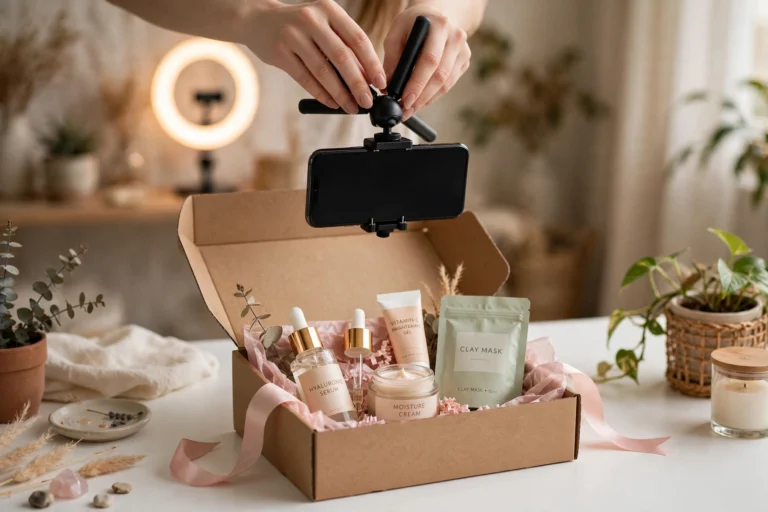
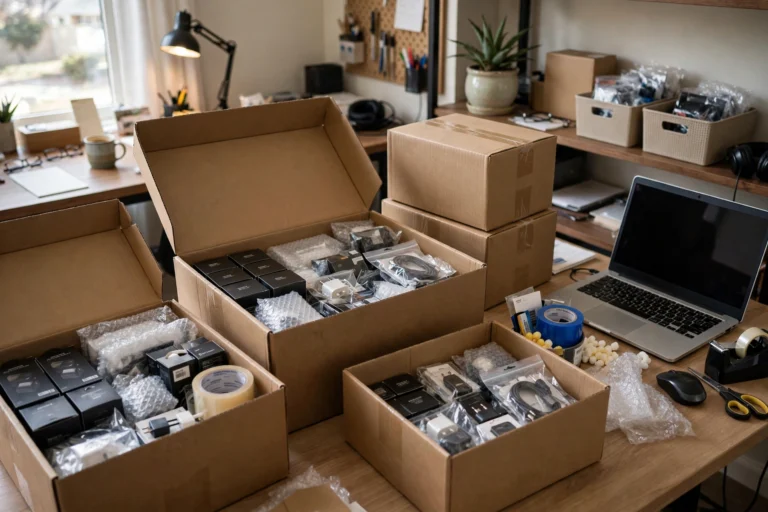
The most straightforward path: sell things people already buy, and use WhatsApp as your storefront. This works for handmade goods, resold items (buy wholesale, sell retail), thrifted finds, baked goods, or imported products. List each item in your catalog with real photos — not stock images — plus honest prices and delivery terms.
Customers discover you through your other channels (Instagram, Facebook, local flyers, word of mouth) and message you to order. You confirm availability, share payment details, and arrange delivery — all inside the chat. Realistic expectation: this is a real retail business in miniature. Your earnings equal your margin times your volume, minus delivery costs and your time. Start with 5–10 products, not 100.
Method 2: Offer Services and Take Bookings on WhatsApp
If you have a skill — tutoring, graphic design, phone repair, tailoring, home cleaning, makeup, fitness coaching — WhatsApp becomes your booking desk. Post your services and prices as catalog items, share before-and-after photos in your status, and let clients message you to book. Quick replies handle the repetitive questions (“what are your rates?”, “are you available Saturday?”) while you focus on the work.
This method has the best effort-to-income ratio for beginners because services have no inventory cost. The honest catch: you need the actual skill first, and early clients come from people who already know and trust you. Ask your first five customers for permission to share their testimonials as status updates — social proof does the selling for you.
Method 3: Use Broadcast Lists for Repeat Customers
Broadcast lists are WhatsApp’s most underused business feature: you send one message that arrives as a personal chat to each recipient individually (unlike groups, recipients do not see each other). This is how small sellers announce new stock, weekly specials, or restocks to past customers.
- Build the list from real customers only. Add people after they buy or explicitly opt in — never scrape numbers. Unsolicited promotional messages get you reported and blocked.
- Message sparingly. One or two broadcasts a week is plenty. Daily spam trains people to mute you.
- Make every broadcast valuable. A new arrival, a genuine discount, a restock alert — not “just checking in.”
- Track what works. Note which broadcasts generate replies and orders, and do more of that.

Method 4: Sell Digital Products With Zero Inventory
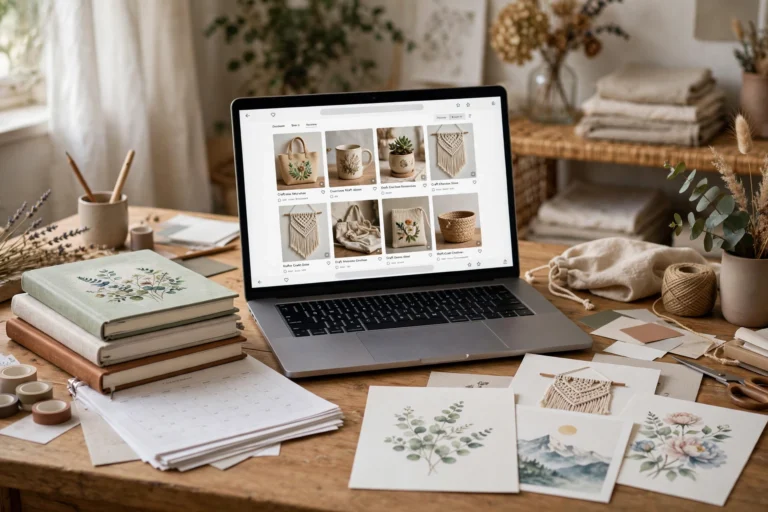
Digital products — planners, templates, presets, ebooks, printables, online courses — pair well with WhatsApp because delivery is instant: the customer pays, you send the file or access link in the chat. There is no shipping, no stock, and no packaging. Create the product once (in Canva, Google Docs, or whatever tool fits), price it modestly, and sell it repeatedly.
The realistic view: digital products need an audience to sell. WhatsApp is your checkout counter, not your marketing department — you still need somewhere that people discover you, like Instagram, TikTok, or a simple landing page. Expect slow first sales while you build trust, then steadier income as reviews accumulate.
Method 5: Affiliate Marketing — Carefully
You can share affiliate links (Amazon, Daraz, or niche programs) with people who ask for recommendations — a product review in your status with “message me for the link” keeps it opt-in rather than spammy. Commissions are small per sale, so this only adds up with volume and trust.
The warning matters more than the method: blasting affiliate links to groups and strangers is the fastest way to get blocked and reported, and WhatsApp restricts accounts that behave like spam bots. Only recommend products you have actually used, only to people who want recommendations, and always disclose that it is an affiliate link. Done wrong, this method earns you nothing and costs you your account.

How to Make Money Using WhatsApp: Honest Costs, Time, and Expectations
Let us be direct about the fine print. WhatsApp Business is free, but running a business on it is not costless: you need mobile data or Wi-Fi, packaging and delivery costs for physical products, and — biggest of all — your time answering messages. Customers expect fast replies, which means the phone demands attention during business hours.
Earnings depend entirely on what you sell, your margins, and how many customers you reach. A realistic first goal is covering your costs plus a modest profit in month one, growing from there as repeat customers accumulate. Anyone promising you will earn a full-time income from WhatsApp in 30 days with no product and no audience is selling you something — do not buy it.
Scams to Avoid
- “WhatsApp money-doubling” schemes. Anyone asking you to send money to receive more money back is running a scam. Real businesses never work this way.
- Paid “WhatsApp earning courses” with no verifiable seller. The methods in this guide are free to learn. Expensive courses promising secret WhatsApp income tricks are the product being sold — you are the customer, not the earner.
- Forwarding-chain tasks that pay per message. “Earn by forwarding messages” schemes harvest your contacts and pay nothing.
- Fake job offers over WhatsApp. Legitimate employers do not hire through random WhatsApp messages asking for upfront fees.
FAQs About Making Money Using WhatsApp
Does WhatsApp pay users directly?
No. WhatsApp has no creator fund, ad revenue share, or payment-for-activity program. Every legitimate method in this guide uses WhatsApp as a free communication and sales channel for your own products or services.
Is WhatsApp Business really free?
The app and its core features — profile, catalog, quick replies, labels — are free. WhatsApp does offer a paid API for large businesses sending bulk notifications, but small sellers will never need it.
How many customers do I need to start?
Start with the people you already know: friends, family, neighbors, coworkers. Ten real customers who trust you beat a thousand cold contacts. Grow through referrals and testimonials from there.
Can I get banned for selling on WhatsApp?
Selling itself is allowed, but spam behavior — bulk unsolicited messages, adding strangers to groups, bot-like activity — gets accounts restricted or banned. Sell to people who opted in, message at a human pace, and you will be fine.
Conclusion
The honest version of how to make money using WhatsApp is unglamorous but real: set up WhatsApp Business properly, sell genuine products or services to people who want them, use catalogs and broadcast lists to stay organized, and grow through trust and repeat customers. It will not make you rich overnight — but as a free storefront in your pocket, it is one of the most practical tools a small beginner business can have.